
Five trades. One accountable team.
HVAC, plumbing, electrical, refrigeration, and projects — under one roof, billed as one line. In Saskatchewan most of our techs grow into more than one of these. The work that crosses between trades stops being a coordination problem the moment one team owns all of it.
HVAC.
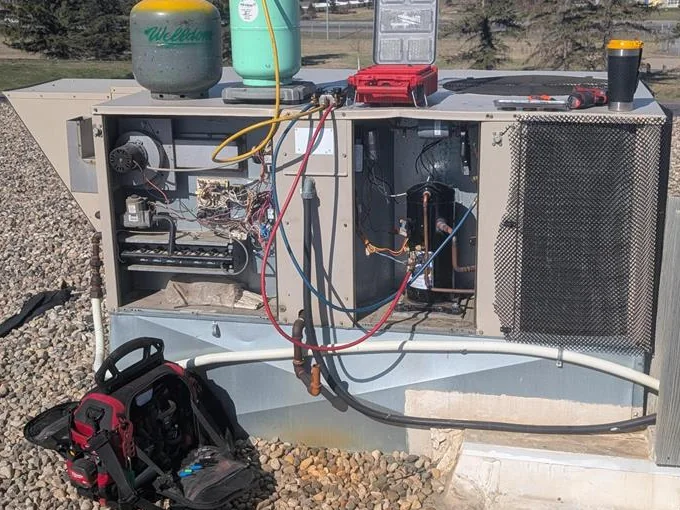
Rooftop units, make-up air, and exhaust
The equipment that runs hardest and gets the least visibility from the ground.
Boilers, hydronic systems, and condensing equipment
Combustion analysis, water chemistry, condensate management.
Refrigerant management
Leak detection, recovery, logging, and full reporting compliance under Canadian environmental regulations.
Controls and BAS
Pneumatic, digital, and hybrid systems. Diagnosis, tuning, and replacement.
Filtration, belts, and serviceables
All included under partnership. Scheduled. Documented.
The point of the section
The work that puts most contractors on a sales call — a found heat-exchanger crack, a failing condenser fan, a refrigerant leak — is the work that puts our techs on a documented repair under partnership. No invoice. No approval cycle.
Plumbing.
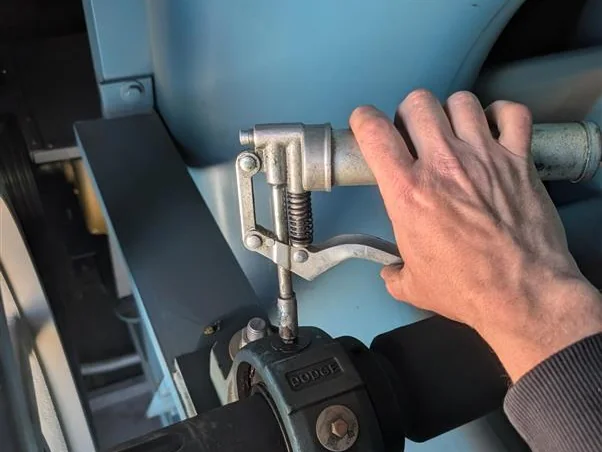
In Saskatchewan, plumbers also hold gas-fitting tickets. The same tech who runs your domestic water can commission and service your gas-fired equipment — boilers, water heaters, unit heaters, rooftop combustion. The trades cross over more than the names suggest, which is why we hire and train for both.
Fixtures and drainage
Repair, replacement, and code-compliance updates.
Water heaters and storage tanks
Anode-rod scheduling, expansion-tank work, full replacement at end of life.
Backflow preventer testing and certification
Annual, documented, filed wherever your jurisdiction requires.
Investigations and leak tracing
Including the cross-trade ones — condensate from a rooftop unit reaching a ceiling in the wrong room.
The point of the section
Under partnership, plumbing work that crosses into HVAC or electrical doesn't get bounced between vendors. The same team that owns the building owns the problem.
Electrical.
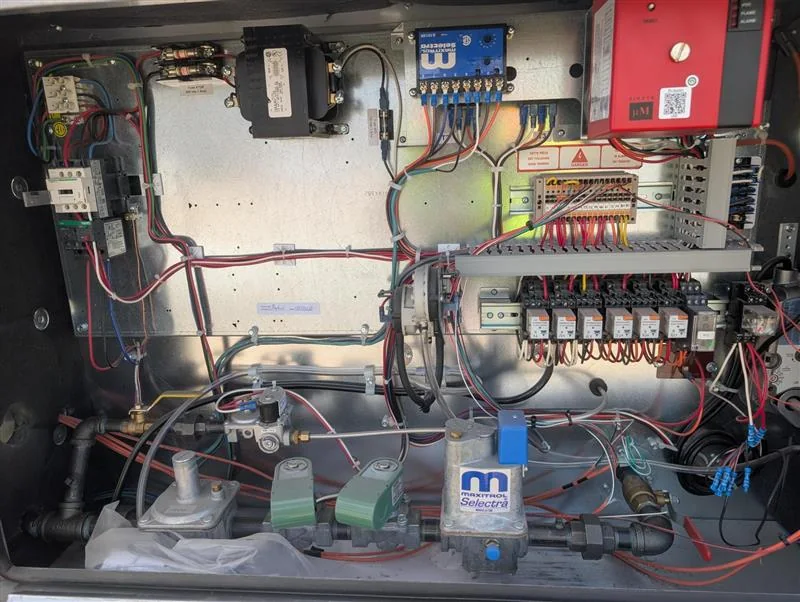
Service work on the electrical side of mechanical systems
Contactors, relays, motor starters, transformers, controls wiring.
Component replacement under partnership
Same flat-fee coverage as HVAC parts.
Project-side electrical
Rough-in, panel work, and tie-ins for mechanical-room builds and equipment changeouts.
Honesty paragraph · kept on purpose
For larger electrical work outside the maintenance scope — service upgrades, panel changeouts, building-wide rewires — we'll be straight about whether it's our right wheelhouse or whether a specialty electrical contractor is the better call. Honesty over scope-creep.
Refrigeration.
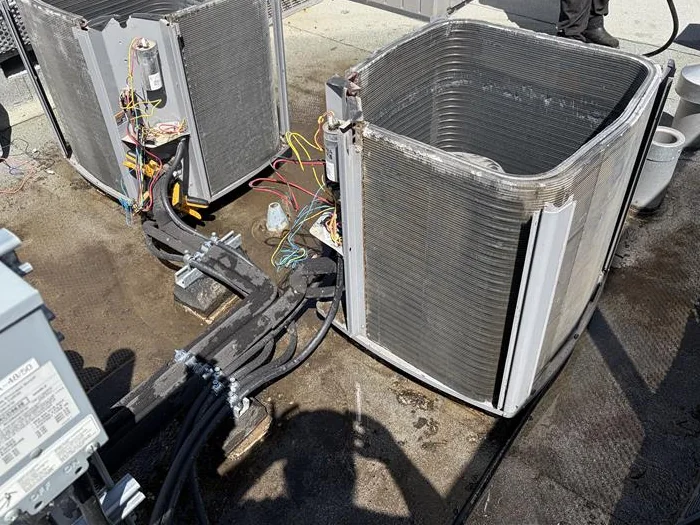
Commercial refrigeration sits between HVAC and a specialty trade — same refrigerants, same controls discipline, different equipment. We staff it directly because pulling in an outside refrigeration contractor in the middle of a partnership defeats the point. One team owns the building, including the cold side.
Commercial refrigeration equipment
Walk-ins, reach-ins, prep tables, glass-door merchandisers, blast chillers, ice machines.
Cold-chain documentation
Temperature logging and reporting for food-safety compliance — the same documentation discipline as the rest of partnership.
Refrigerant management
Leak detection, recovery, and full reporting compliance — coordinated with the HVAC side, not duplicated.
Cross-trade integration
Refrigeration that ties into the building's HVAC, electrical, and plumbing loads. One team, one diagnosis.
The point of the section
Refrigeration is usually where multi-trade integration earns the most. The compressor that just took your walk-in down is also pulling load off your main electrical service and dumping heat into the same room your RTU is trying to condition. Three different vendors would call it three different problems. One team calls it one.
Projects.
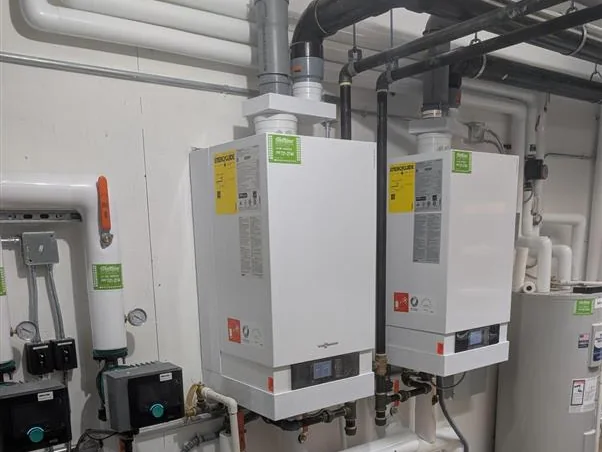
Project work covers planned replacements, retrofits, and new installations. Because our service and project teams share the same building record, every scope starts with documented equipment history and a clear view of the capital plan.
Rooftop unit replacements and retrofits
Boiler and chiller replacements
Make-up air and exhaust upgrades
Controls modernization
Pneumatic → digital. Legacy BAS → current.
New mechanical-room builds and tenant fit-outs
Domestic water and drainage upgrades
The point of the section
Because the same company maintains your building, our project team starts from a documented baseline of your equipment — not a stranger's walkthrough. The design proposal you receive is grounded in the same data partnership is.
Most of our techs hold more than one ticket.
A plumber who picks up gas fitting and HVAC commissioning. A refrigeration tech who handles the electrical side of a system replacement. An HVAC journeyman who runs the controls retrofit themselves. The same documented program that runs the building is also how we train — and how techs grow inside the company.
The result on your end: fewer separate visits, fewer handoffs, more techs who already know your equipment. The integration on the page above is real because it's also true at the individual level.
Why integration matters.
Sub-contracted trade coverage isn't free. It has a cost, just one that doesn't show up as a line item:
Coordination overhead
Every cross-trade issue becomes a phone tree.
Accountability gaps
Vendor A blames Vendor B. The building owner mediates.
Documentation loss
Each vendor keeps their own records. Nobody keeps the whole picture.
Duplicated diagnostics
Vendor B walks the building Vendor A just walked, on the clock.
One team eliminates all four. That's not a marketing line — it's a structural difference in how the work gets done.
Find out what an integrated team would look like on your building.
45 minutes. No cost. No equipment looked at yet — a conversation about what's been on your mind, what you're spending today, and where we'd look first.